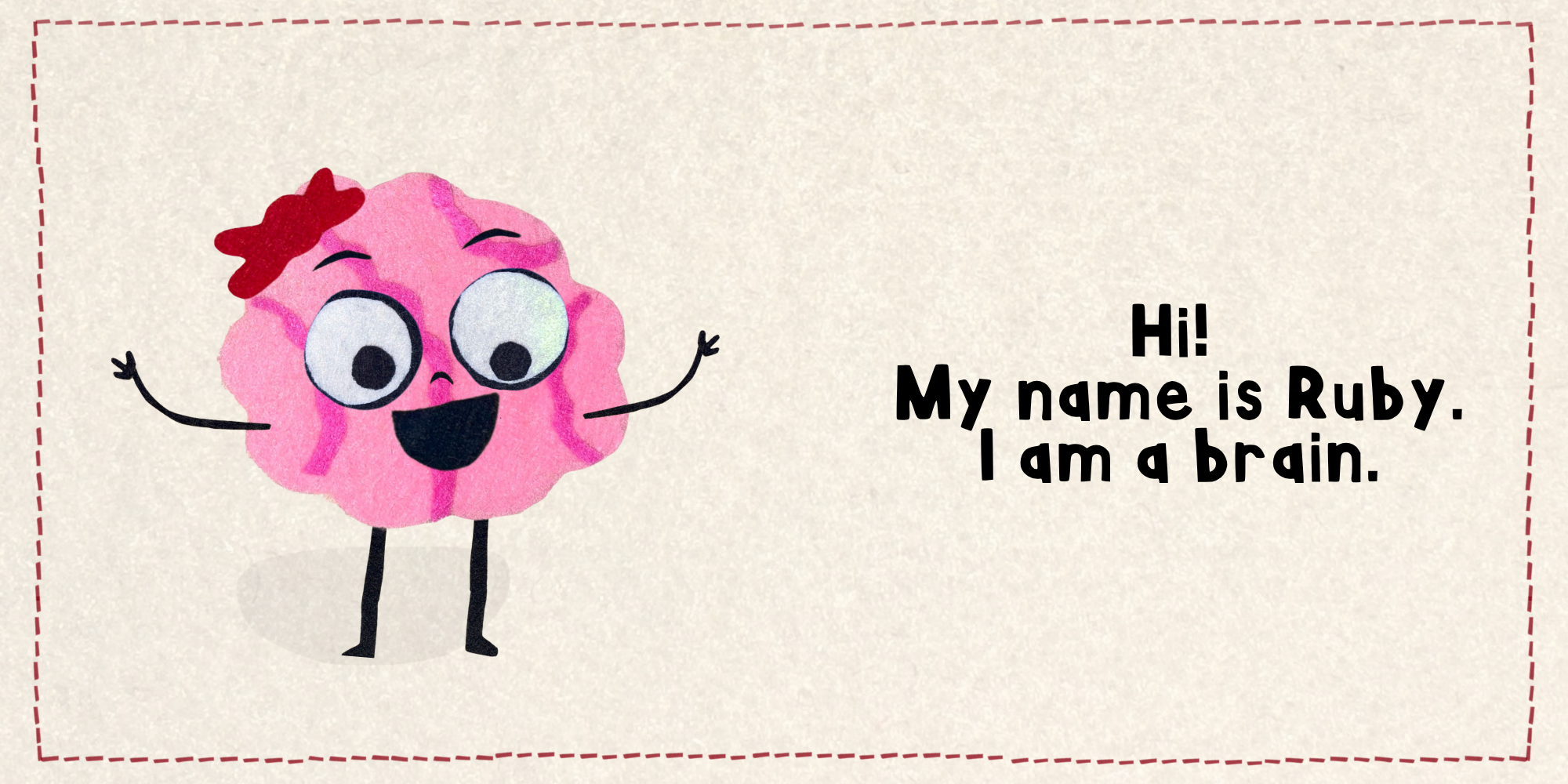
Ruby
A children's book about anger, fairness, and understanding what's happening beneath big emotions.
Ruby teaches children that anger isn't something to fear or get rid of. It's a message worth listening to.
Meet Ruby
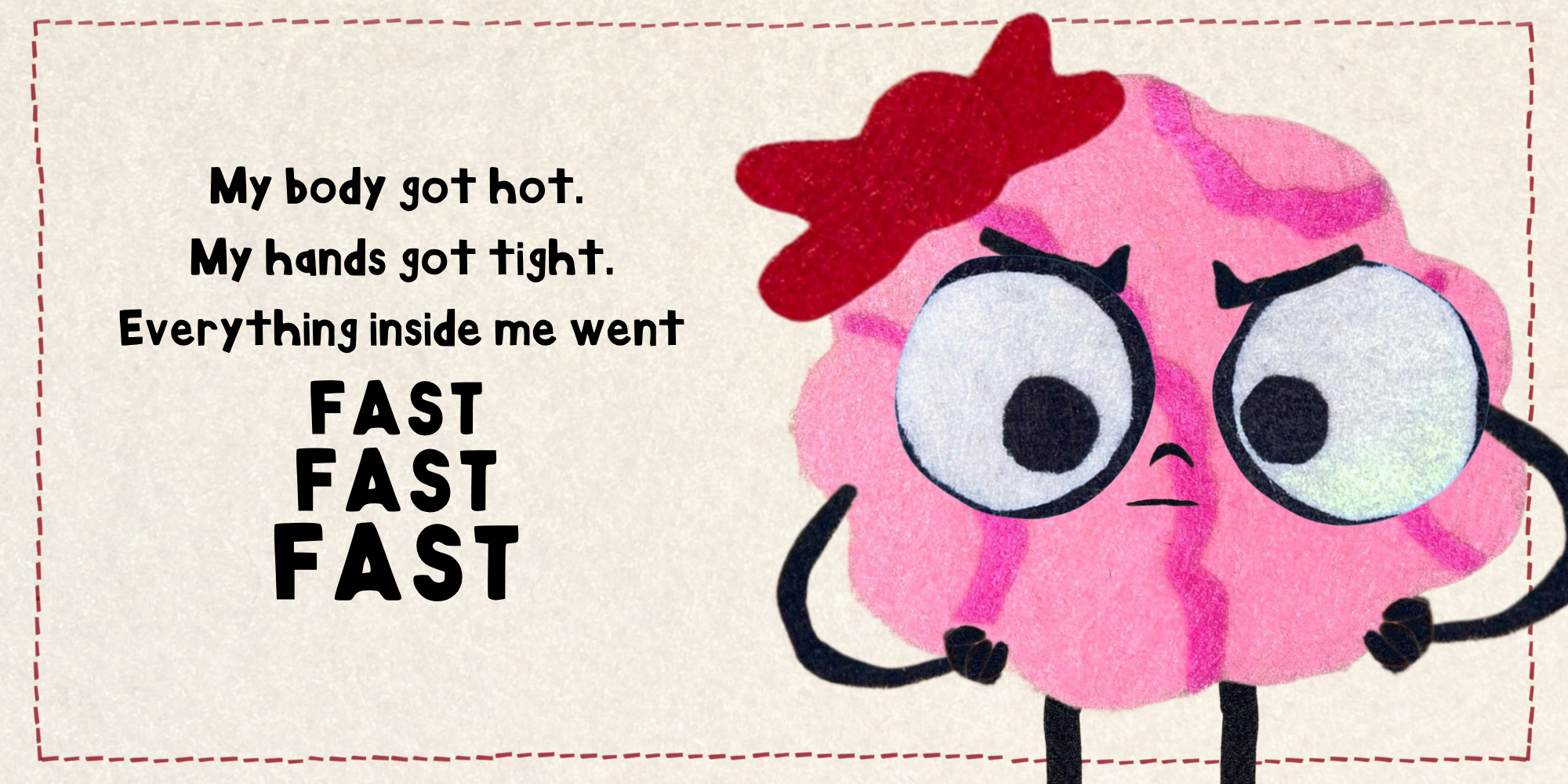
Ruby feels things deeply.
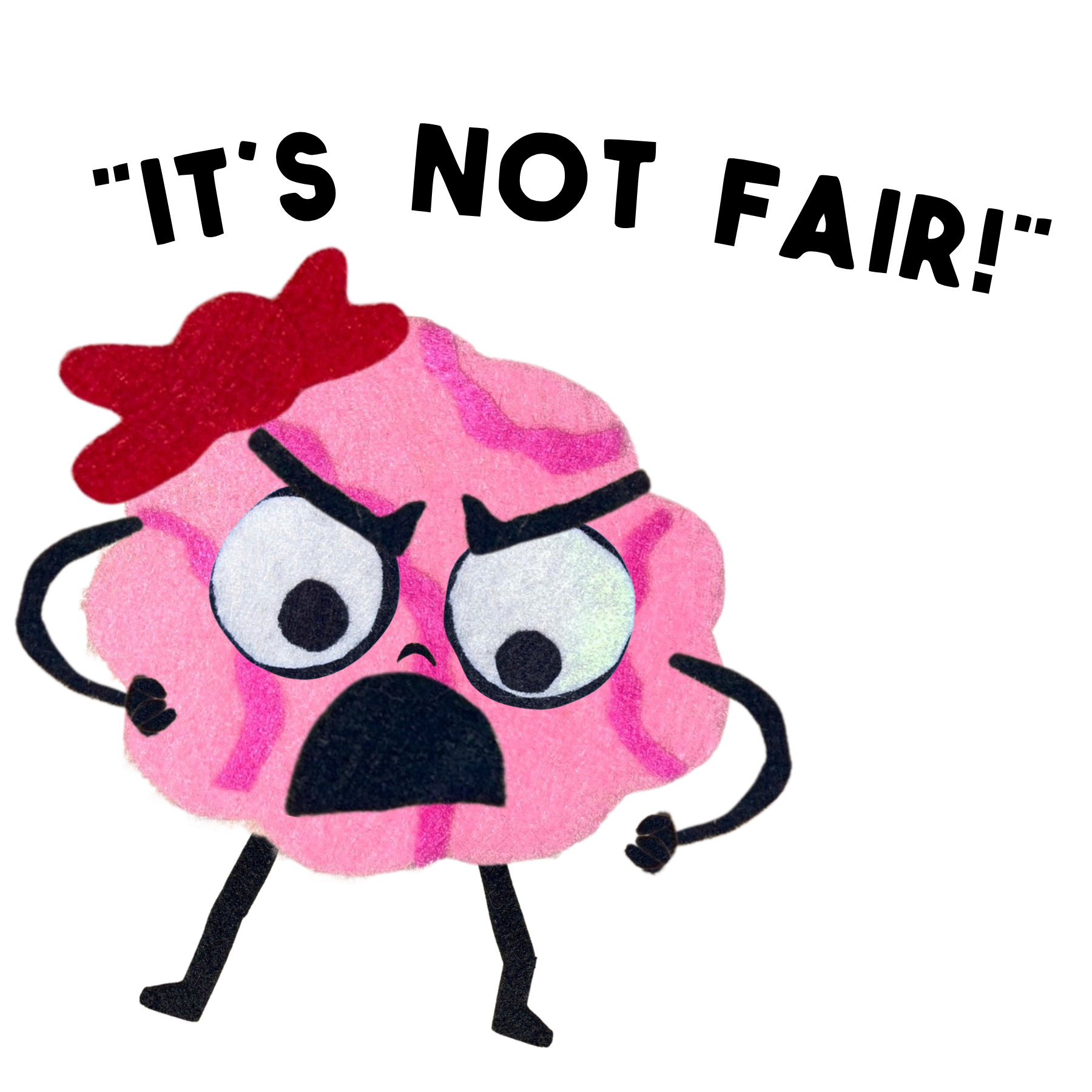
When something doesn't feel fair, she lets everyone know.
She stomps.
She shouts.
She crosses her arms.
Sometimes she says things she wishes she hadn't.
But underneath all that anger is something much more important.
Ruby isn't trying to be difficult.
She's trying to feel understood.
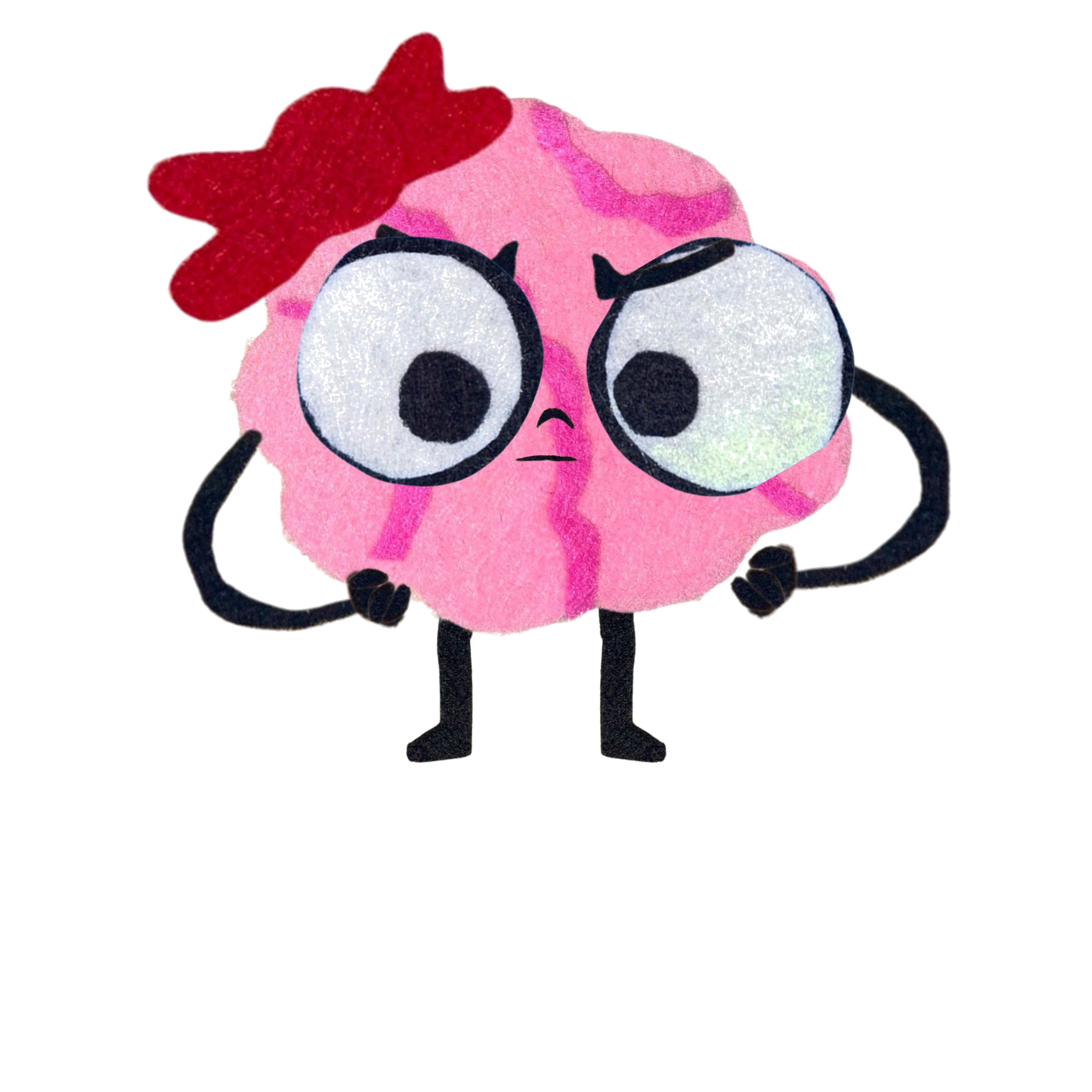
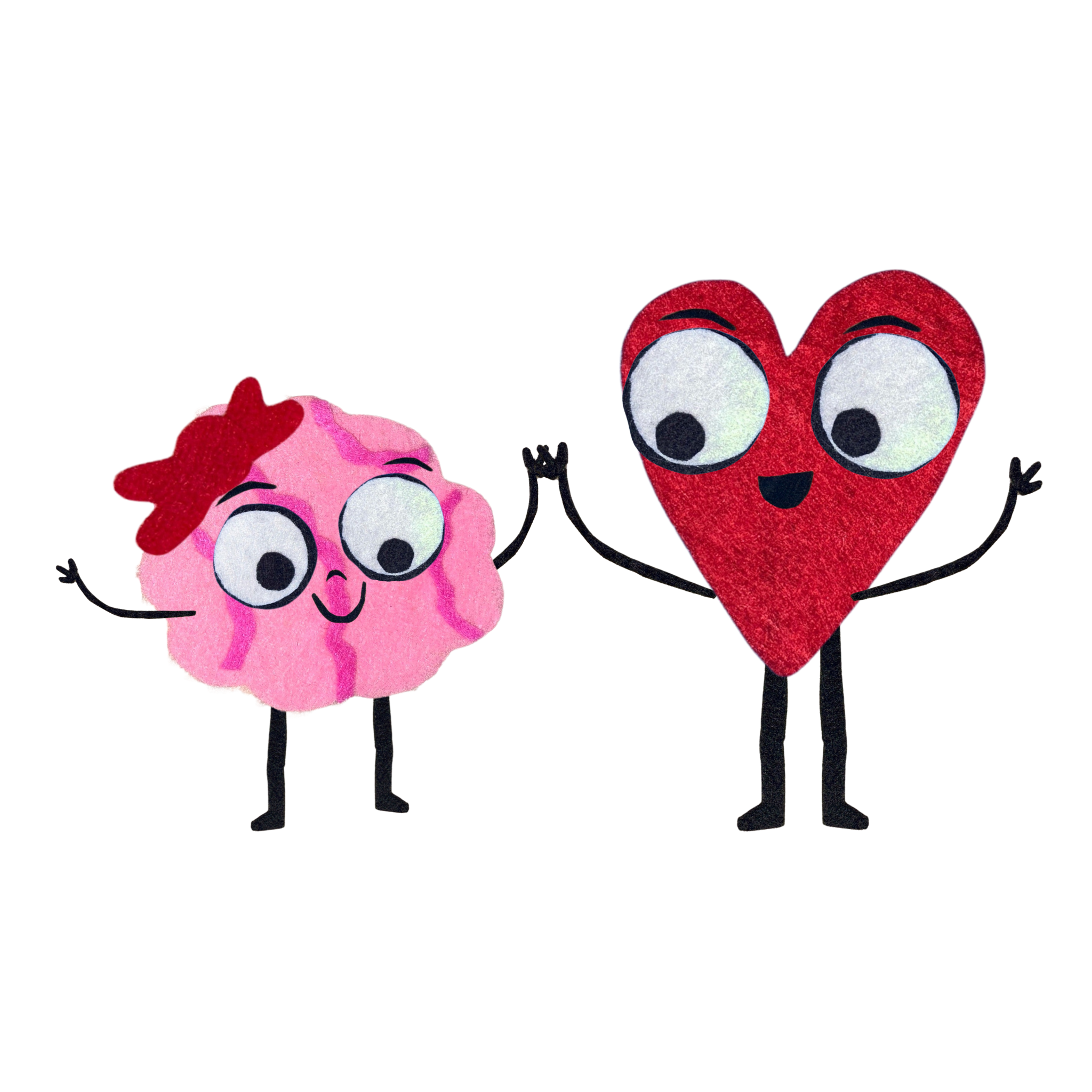
Through Brain and Heart's gentle guidance, children discover that anger is one way our nervous system tries to protect us—and that every feeling has a story worth understanding.
What children will learn
After reading Ruby together, children begin to understand:
Why anger happens.
That anger isn't "bad."
How their nervous system tries to protect them.
Healthy ways to recognize and express big feelings.
That curiosity helps more than shame.
For parents
If you've ever found yourself saying...
"Why is my child so angry?"
"Everything turns into a battle."
"They're always yelling."
You're not alone.
Many children experience big emotions before they have the words to explain what's happening inside.
Ruby helps families move beyond seeing anger as "bad behavior" and begin asking a different question:
What might this feeling be trying to tell us?
That shift often changes everything.
A Note from Ryan
I didn't write Ruby to teach children to stop being angry.
I wrote her because I want children to grow up believing that every emotion deserves curiosity before judgment.
As a therapist, I've sat with countless adults who learned to fear or hide their anger.
My hope is that children who meet Ruby will grow up with a different story.
One where anger becomes something they understand—not something they're ashamed of.
Frequently Asked Questions
What age is Ruby for?
Ruby is written for children approximately 3–8 years old, though many older children enjoy the story and conversations it creates.
What does Ruby teach?
Ruby helps children understand anger, fairness, emotional regulation, and the nervous system through a simple, developmentally appropriate story.
Is Ruby good for children with anxiety or ADHD?
Many parents, therapists, and educators use Ruby with children experiencing anxiety, ADHD, emotional dysregulation, or other big feelings because it focuses on understanding rather than punishment.
Can therapists or teachers use Ruby?
Absolutely. Ruby was designed to support conversations about emotions, nervous system responses, and self-understanding in homes, schools, and therapy offices.